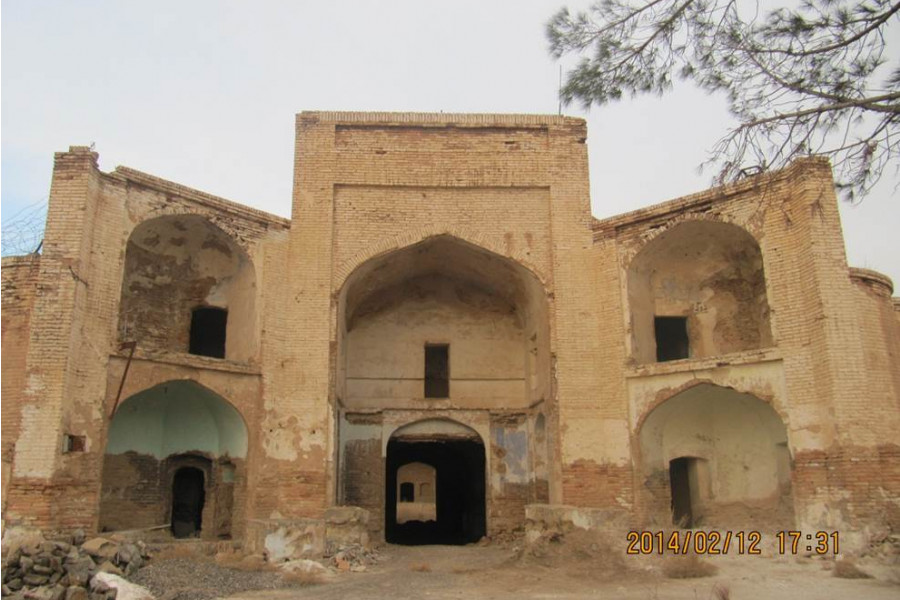
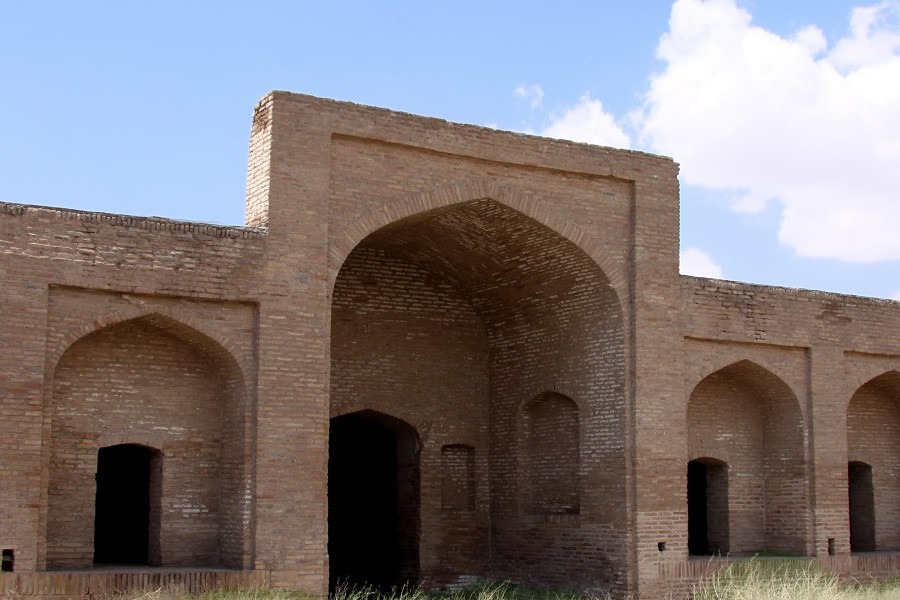
A) The ancient city of stone: The ruins of Sangbast in this historic city with an area of 13 hectares is located in 35 kilometers distance to Fariman-Mashhad road and at the crossroads of the western highway to Marv (east) and Toos and Herat. The unique location of this place has boosted its development during the past centuries. The city consists of a number of public buildings, including a caravanserai, a bathroom, a mosque, a bazaar, residential areas, dating back to the second half of the fourth to the sixth century. Based on evidences, after the Mongol invasion to the city, the city developed and as the population increased, a new and large city with a rectangular design was established. Sangbast has flourished until the end of the Safavid period, and the current village has been created in the vicinity of the historic city during the period from Afshariyeh to Qajar eras. Archaeological excavations in 2018 revealed parts of the ancient Shabestani mosque.
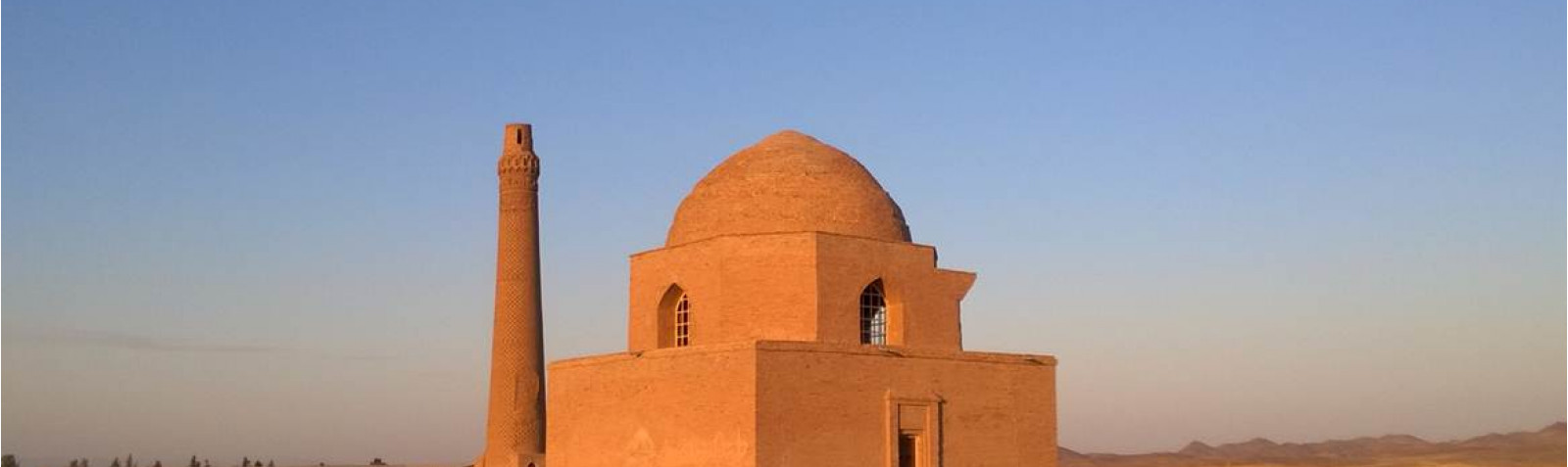
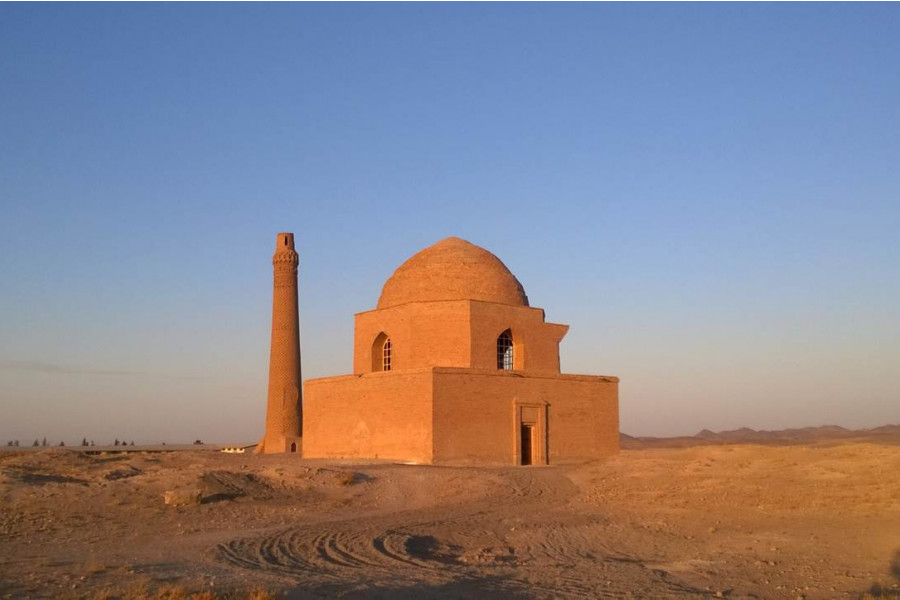
B) The tomb of Arsalan Jazeb: The only monument of the tomb in the landscape of the remnants of the historic city has attracted the attention of tourists, attributed to Arsalan Jazeb (commander of Toos and Khorassan) (389-421 AH). This mansion is considered as the oldest work of the Islamic era of Khorasan Razavi and only the remains of the Ghaznavids era in Iran. This four-way form has four entrances and a two-dimensional and almost dome-shaped dome that has a double dome and only the bottom shell of the dome has remained. Colorful and brick inscriptions, colored decorations, etc. are among the most important artistic indices.
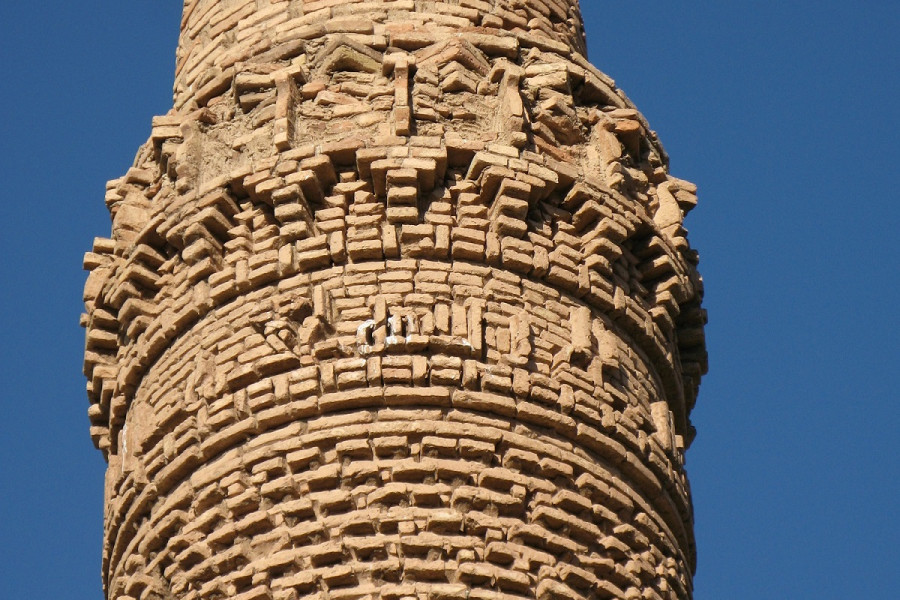
C) Brick Minaret of Sangbast: Brick Minaret is the only remaining part of the huge architecture of the caravanserai of Ghaznavi of Arsalan Jazeb in Sangbast that is ranked the oldest brick minaret in Iran. This structure has 101 steps and a simple façade with bricks that are arranged in dual rows and prominent and at regular intervals on one another. Other decorations of the building include Mogharnas, Kofi writing inscriptions and round brick designs on the crown and the middle of the building.