Sheikh al-Islam Amin al-Din Muhammad ibn Zayn al-Din Ali ibn Diya al-Din (or Imam al-Din Masoud ibn Najm al-Din) Biliani Kazerouni, known as "Amin Biliani," was a renowned mystic and poet of the seventh and eighth centuries AH. He was the leader of the Murshidiya Kazerouniya order, guiding Sufis who followed Sheikh Abu Ishaq Kazerouni, and his order was known as "Murshidiya" and "Kazerouniya." The Biliani family descended from the famous Sufi Sheikh Abu Ali Daqaq of Nishapur. Sheikh Amin al-Din was a prominent mystic of his time in Fars, and many great mystics and poets, such as Khwaju Kermani and Hafez, followed him. Amin al-Din was trained by his father and especially his uncle, Sheikh Ohad al-Din Abdullah, the leader of the Kazerouniya Sufis. Despite the death of Ohad al-Din Abdullah, his brother Zayn al-Din Ali continued to follow the teachings of Sheikh Murshid Abu Ishaq Kazerouni and composed Arabic and Persian poems in his praise, explicitly mentioning Sheikh Abu Ishaq in some of them.
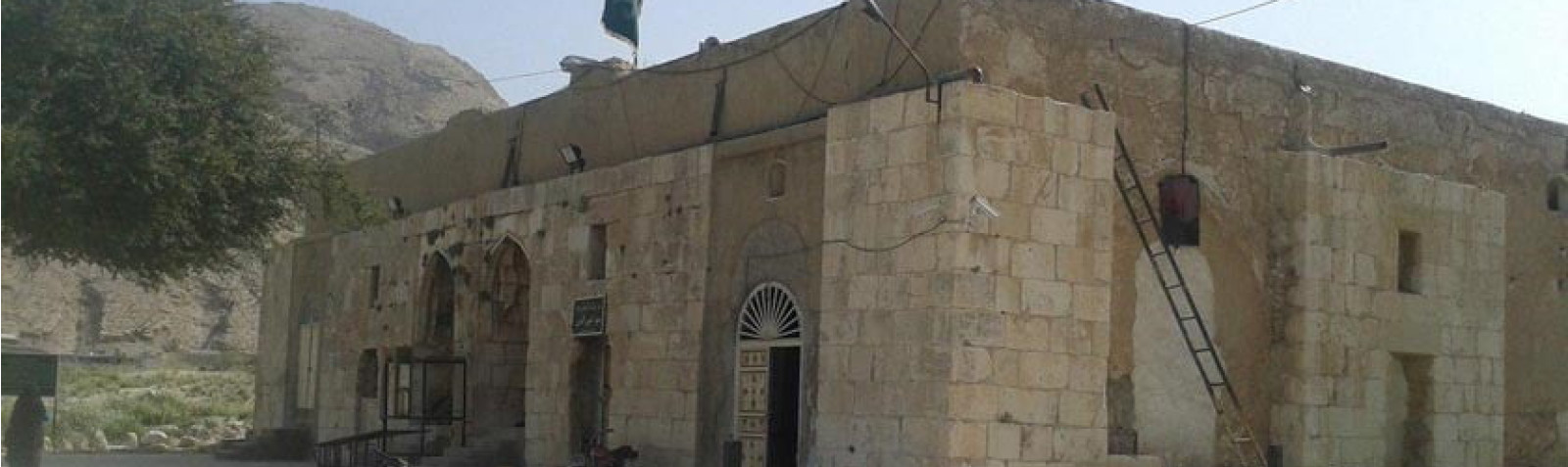
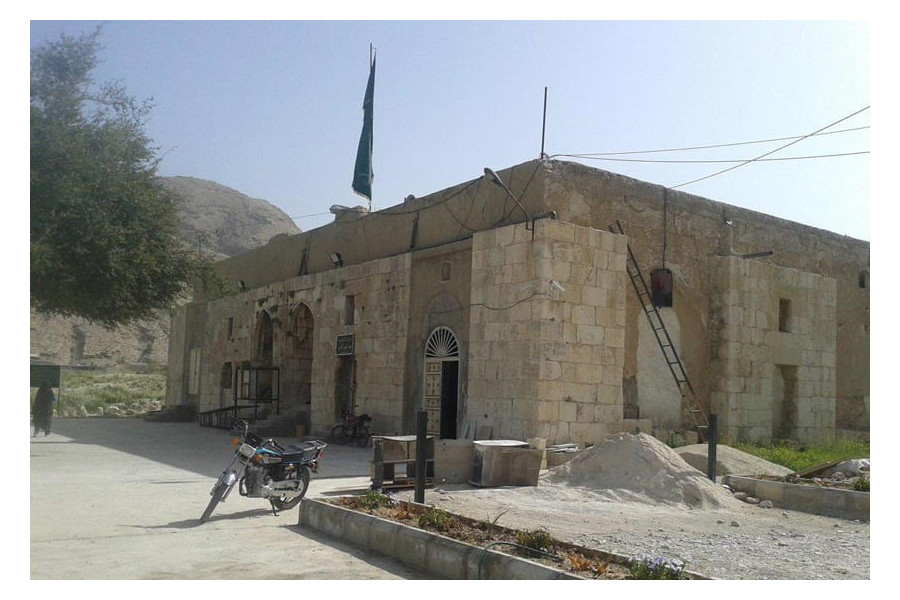
From the death of his uncle (683 or 686 AH) until his own death in 745 AH, Sheikh Amin al-Din led the followers of Sheikh Murshid Abu Ishaq Kazerouni in Kazeroun, implementing his teachings. He was known as "Sheikh Murshid" and constructed buildings such as a Sabil (water fountain), mosque, dar al-Shifa (house of healing), and dar al-Abidin (house of worship) in Kazeroun. Khanqah Oliya, where Sheikh Amin al-Din taught, was built in 710 AH at the foot of the northern mountains of Kazeroun, where he spent his final years, and his tomb is located there. The tomb was constructed in 710 AH from carved stones without mortar, similar to the stones of the Anahita Temple in Bishapur. The Sheikh's grave remains a pilgrimage site for the public. Besides his high spiritual status and scholarly achievements in religious sciences, Sufism, and mysticism, Sheikh Amin al-Din was also a poet of his time.
Mahmoud ibn Osman, one of his devotees, wrote a comprehensive book on his status called "Jawahir al-Aminiya" and later summarized it as "Miftah al-Hidaya wa Misbah al-Inaya."