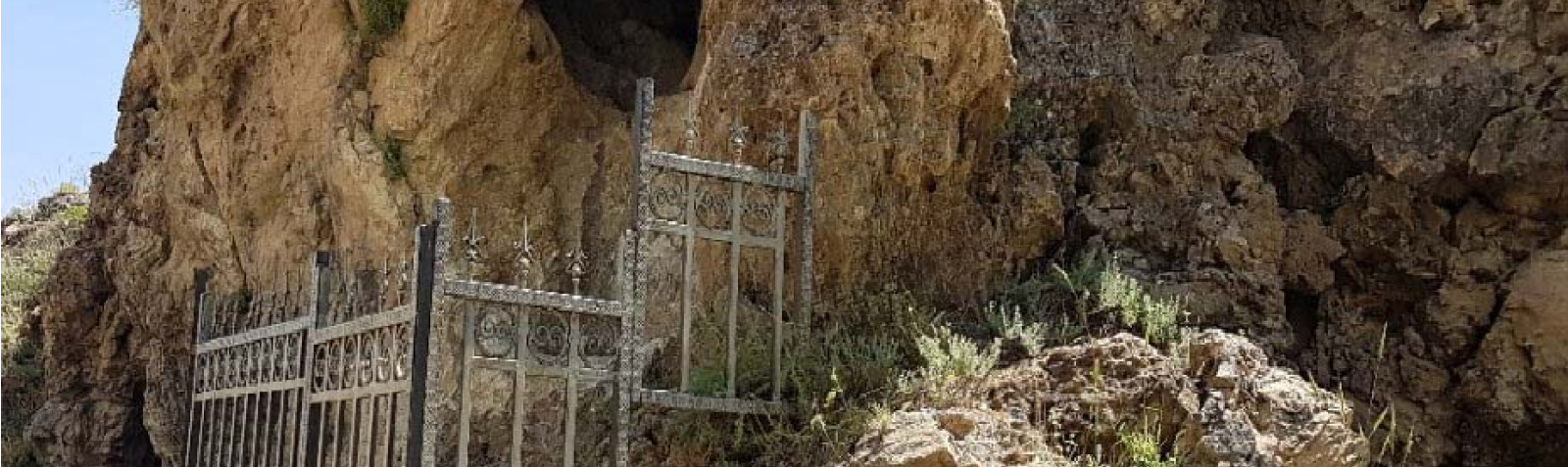
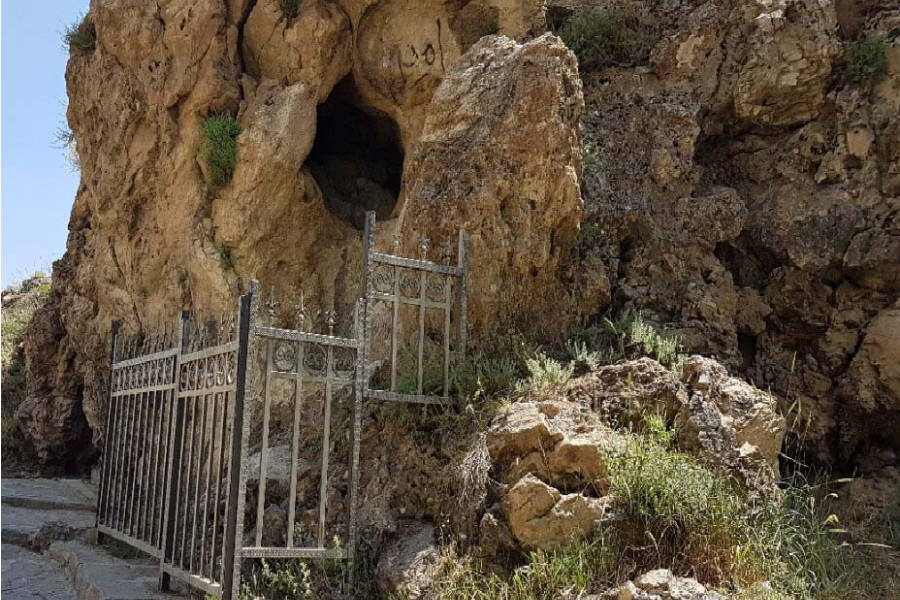
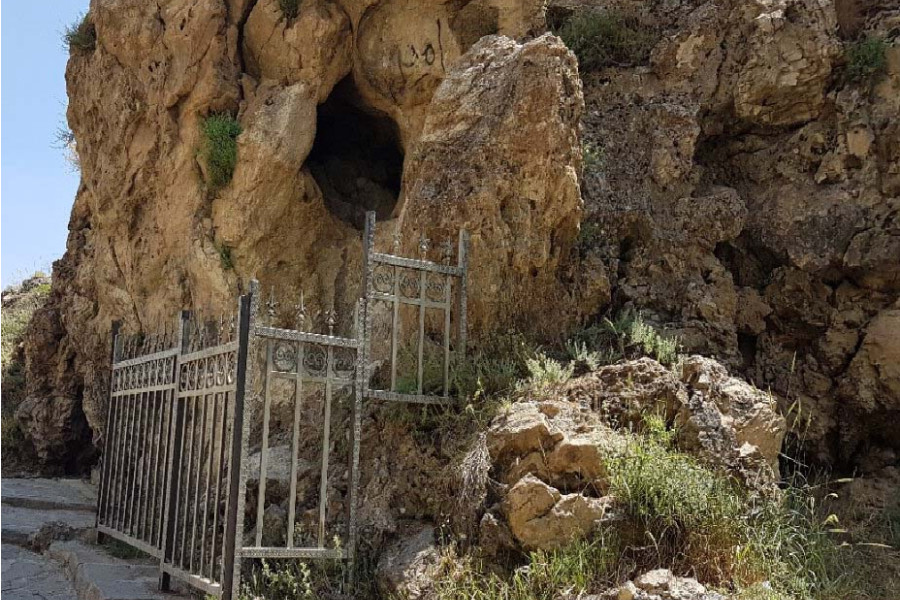
Eyn ol Rrum Spring and Historical Inscription are located north of Oshnavieh, along the road to Urmia. The inscription dates back to the Urartian period and mentions the construction of the spring by Menua, the Urartian king. The spring has very palatable water, rich in minerals, and is used by nearby villages and passersby for domestic purposes. Due to its mineral content, the water leaves no sediment, making it popular for use.
The Eyn ol Rrum inscription in Oshnavieh is the oldest Urartian stone inscription related to water; it serves as a dedication plaque, gifting the spring water to the local people, highlighting the importance of water nearly three thousand years ago.
This inscription was studied by the renowned German archaeologist Wolfram Kleiss, who attributed it to the reign of King Menua (810-825 BCE) of Urartu. According to Kleiss’s studies, Menua introduced himself in this inscription as the king of the land of Urartu and used the term "lugal" in reference to the spring. Experts state that "lugal" in ancient Sumerian was a term meaning "related to the people" or "for the use of the people," allowing a detailed study of the inscription to interpret it as a deed of dedication by the Urartian king, offering the spring water as a gift to the local inhabitants.
This valuable historical inscription was registered by the Cultural Heritage Organization in the National Heritage List in 2014. The inscription, 150 centimeters in height, is arched and situated above the Eyn ol Rrum spring. Oshnavieh, or Sheno, is the lush historical town mentioned in the travelogues of past explorers and travelers as a town with abundant trees and gardens. The city’s strategic location along trade routes with neighboring nations has resulted in its inhabitants being traders, farmers, or herders.