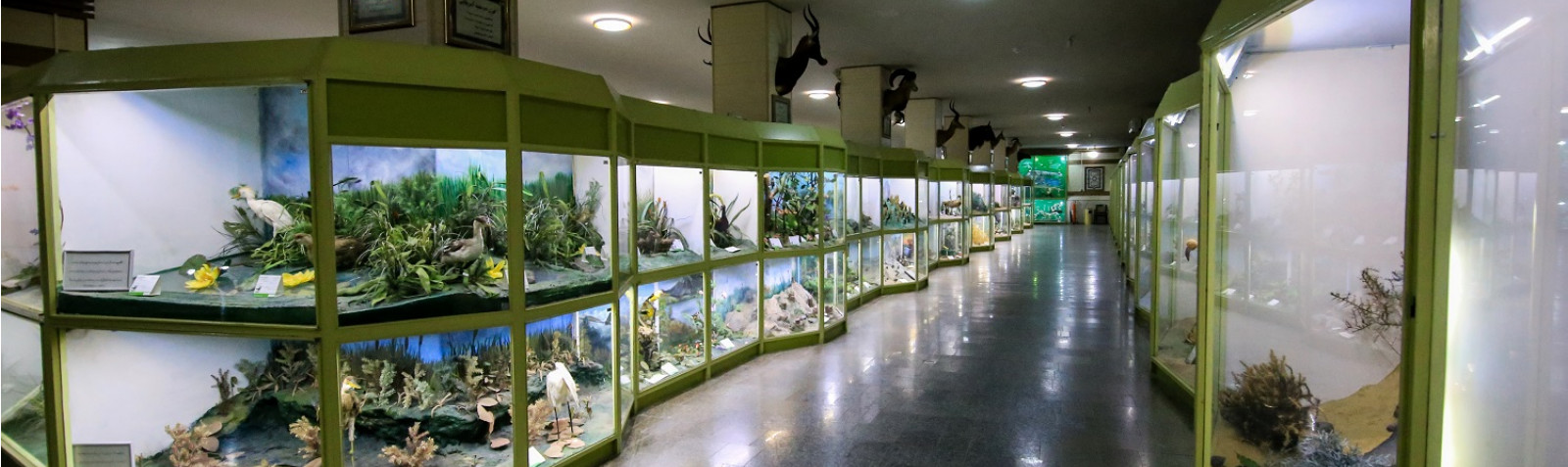
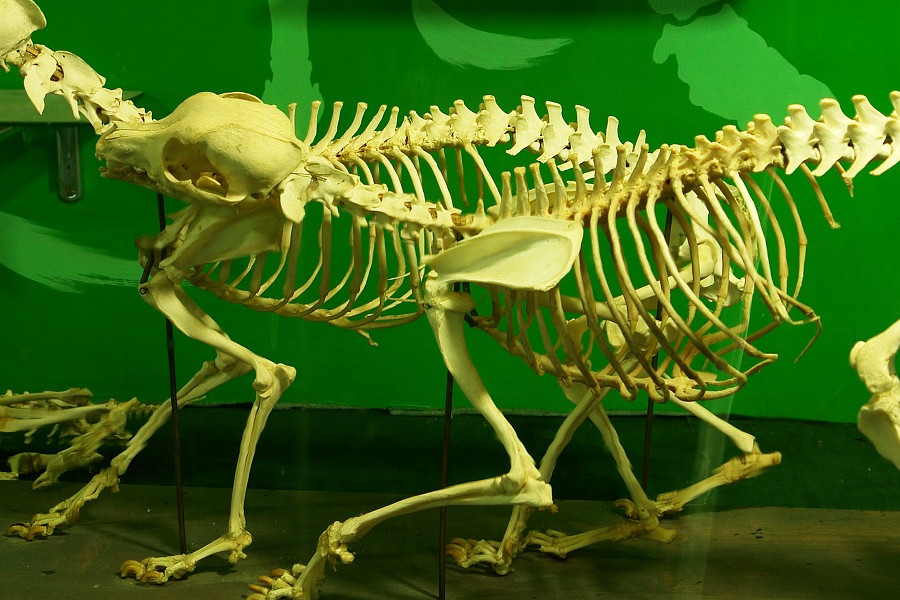
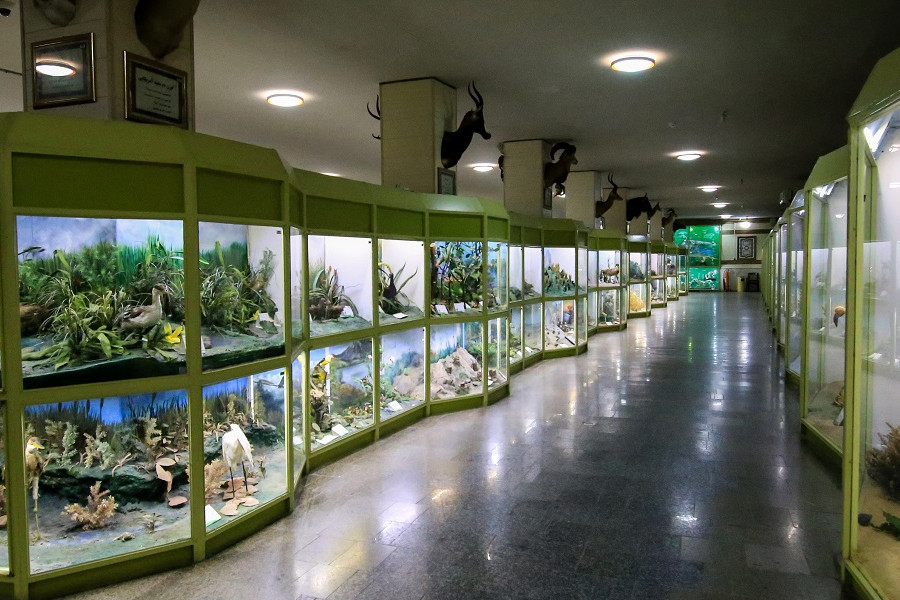
Established in 1972 by Mr. Jafar Mohammad Ali Zadeh, Hamedan Natural History Museum aims to provide scientific, educational, and research goals for Bu-Ali Sina University. Since then, it has been managed by him and designed and completed based on international models and standards. It is not only famous in Iran but also in the Middle East and even in the world. The museum is located at the Agricultural Faculty of Bu-Ali Sina University at the end of Chaharbagh-e Azadegan, branching off from Madreseh Square. It covers an approximate area of 2000 square meters divided into three separate and interconnected halls as follows:
Hall 1: This hall showcases stone carvings discovered from various regions of Iran by the museum's research team, as well as pottery and clay handicrafts, which demonstrate the Iranian people's precise understanding of and interest in the natural environment. Additionally, around 300 scenes of Iranian wildlife have been exhibited here.
Hall 2: This hall is dedicated to fish divided into two separate sections:
The first section includes freshwater ornamental fish from tropical regions, some of which are currently being kept in limited numbers for research purposes. Additionally, the establishment of a saltwater aquarium and the construction of a large-scale aquarium with various international fish species are under study.
The second section contains fixed specimens of rare and precious fish, amphibians, and reptiles inside a solution or in the form of "taxidermy".
Hall 3: This hall exhibits a collection of minerals, fossils, and sedimentary rock samples left from different geological periods in Iran. Although it is just a sample of Iran's mineral and fossil specimens, it is the richest collection of its kind in the country.
Discoveries: A focus on discovery indicates the dynamism and vitality of a museum. During its 28 years of activity, Hamedan Natural History Museum has discovered some of the specimens for the first time in the country, although proving their novelty at the global level requires further investigation and research. For example, the museum has reported the discovery of five new species of Persian Gulf fish and several fossils for the first time. Currently, in addition to tourists and researchers, numerous groups of students and pupils visit the museum annually.