There is an old village named Turan Posht along the road of Yazd to Shiraz, 85 kilometers after Yazd. This village that is placed in Taft city reaches to Shir Kuh mountain from the north to Abarkooh desert from the south, to some small and large hills related to Sassanid empire, from east and west. Some believe that the founder of this village had been Sassanid Turan Dokh that was changed into Turan Poshet over time. The village was not only populated and prospered in Sassanid era, but also it was a large city in 19th century. This is confirmed by the European Telegrapher Itinerary in 1879 in which the authors state that Turan Posht was so big in the past that it was considered to be a city.
In addition to the old and historical cemetery, this region includes some other historical attractions like several mausoleums, an old fort with stone gate, Imam Reza Qadamgah and several Qanats like Meydaneh, Deh, etc.
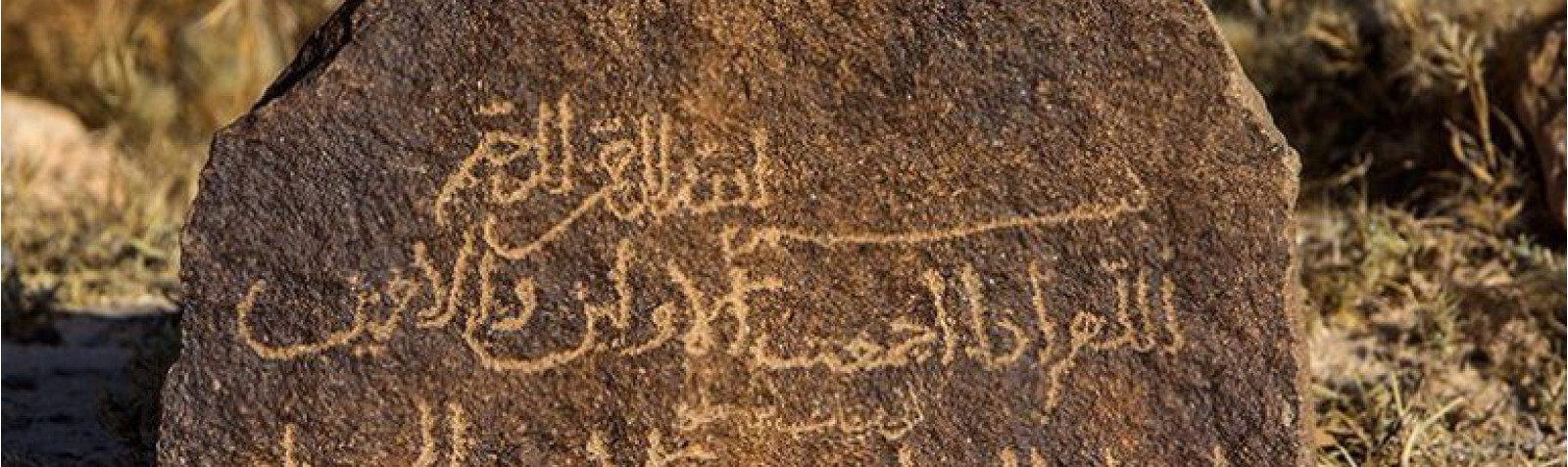
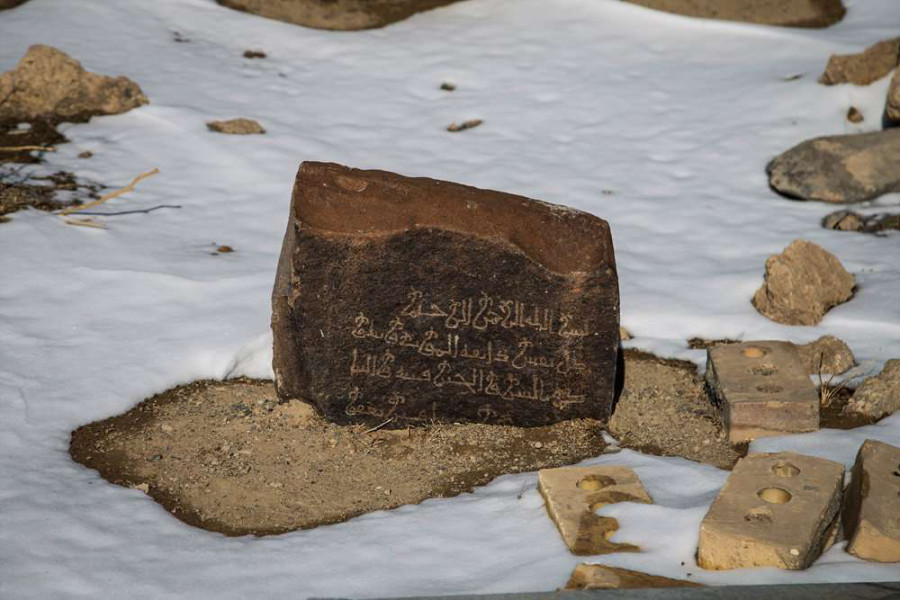
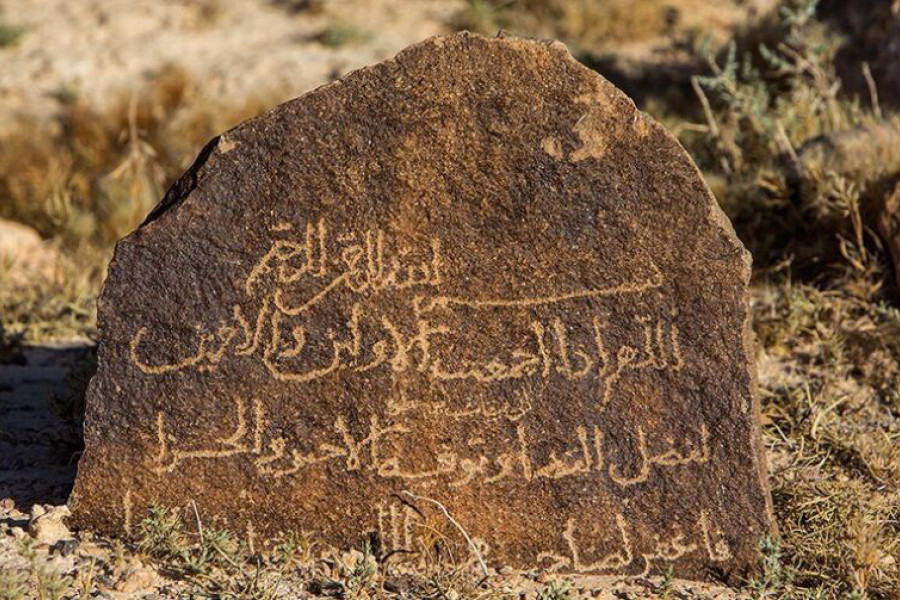
However, what is often evoked by the name of Turan Posht is its old cemetery. This cemetery is placed in a wide area. The date carved on the tombstones of this cemetery is related to Ghazanavid and Timurid periods. Two kinds of the tombstone are seen in this cemetery; the irregular black stones and the shiny marble stones. The oldest date has been carved on the black stones and it is 409 AH and the newest one is related to 718 AH.
Iraj Afshar, who carried out detailed research into this cemetery, believes that this tomb stones are related to the scientists and great men. He reread a tombstone that is belonged to Rashid al-Din Meybodi’s daughter, the author of Kashf al-Asrar. He put forward this hypothesis that Turan Posht was ruined in result of war or a similar occurrence.
Although this village has been nationally registered as a Sassanid site, it has not properly preserved so that many started to drill this site, illegally, to find a treasure or antiquities and did a great deal of damage to this National Heritage of Iran.